Let’s talk about counselling: Alison’s story.
Why do people become counsellors? What can you expect from a counselling session? And what is counselling actually for?
We asked Alison, one of our counsellors here at Guernsey Counselling Service, to tell us about why she became a counsellor, what happens when you first get in touch, and one of the most important things to know about finding the right counsellor for you.
My name is Alison; I’m a newly qualified counsellor and board member of Guernsey Counselling Service (GCS).
I have always believed in the power of talking therapy and wanted to be able to offer people access to counselling services, to be heard, seen and validated. Crucially, I wanted to be able to make counselling accessible to those who might not be able to afford private counselling – I therefore choose to volunteer through GCS and the Guernsey Bereavement Service (GBS).
I believe we are all born with the ability to grow and develop to be the best version of ourselves we can be, and that external influences, relationships, and experiences are the primary causes of distress which can lead to anxiety, depression, isolation and other mental health challenges. I provide a non-judgemental space where you can explore those relationships and experiences and take those challenging life journeys with someone alongside you. A common myth with my kind of therapy is that I will advise you and tell you what to do – that is not the case. I will work with you to find your direction, your path, your solution, at your pace, and with what works for you.
I always tell people that finding a good counsellor is like shopping for a new pair of shoes – you don’t always buy the first pair you try on. Success can partly be measured by the quality of the therapeutic relationship. If you don’t connect with your counsellor, you might not trust them, or be 100% authentic with them, and that would compromise the success of the therapy. So, I would always tell someone that if the first counsellor you meet doesn’t work for you, tell them, move on, and find someone else who you connect with, or who uses a modality more aligned with what you’re looking for. That’s OK.
I think the hardest part of counselling is making the decision to seek support and making that first contact. With both services I’ve mentioned above, you can self-refer either by telephone or email; you don’t have to see your GP or other medical professional first. The first step would be to meet with someone who will ask some questions about you, your general wellbeing, why you’ve sought counselling, and what you want to achieve. This is purely to connect you to a counsellor who would be right for you. Both services will not turn you away, but as both services are charities, they will ask for a minimum donation per session – this will also be agreed in that first meeting. The assessor will then pair you with a counsellor who you will continue to see at a frequency and duration, time and date that suits you.
If I can help just one person not feel alone as they navigate difficult life experiences, then job done!
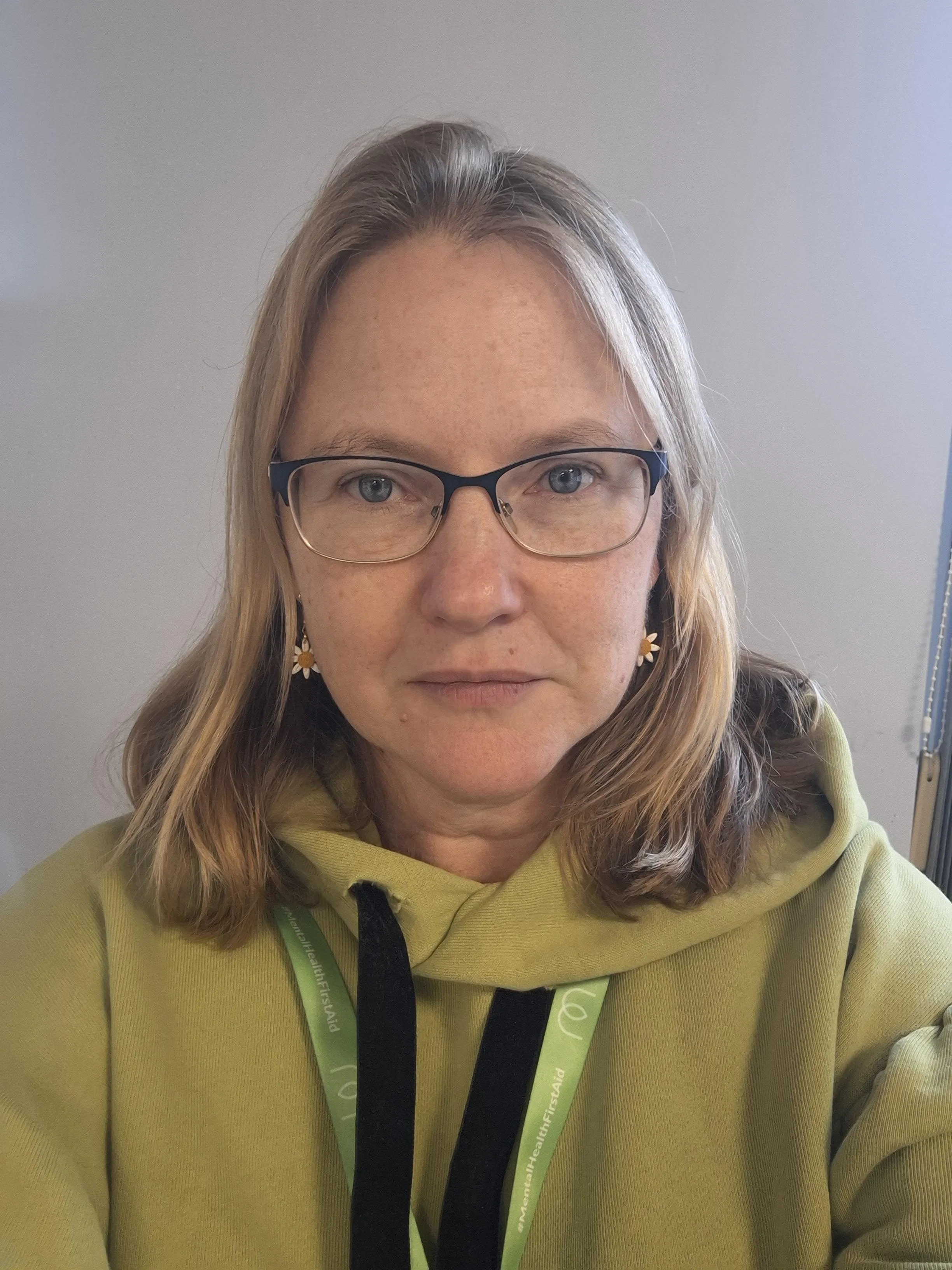
Alison is one of the GCS team of professionally qualified counsellors. At Guernsey Counselling Service, we believe professional counselling should be available to everyone, regardless of their financial circumstances.
You don’t need a referral from your GP to talk to us. If you’d like to find out more about counselling, or feel that it might be the right time to talk to someone, you can get in touch with us directly at info@empathy.org.gg.